FITBA
the people’s republic of
FREE DELIVERY ON EVERY ORDER
SOME OF OOR GEAR

















NOSTALIA
A Requiem for the People’s Game
To look back at Scottish football in the 1970s & 80s is to remember a world that existed in high-definition 4K grittiness, long before the sanitization of the modern era. It was a time when the game did not belong to satellite broadcasters, conglomerate marketing, or accountants. It belonged, to us.
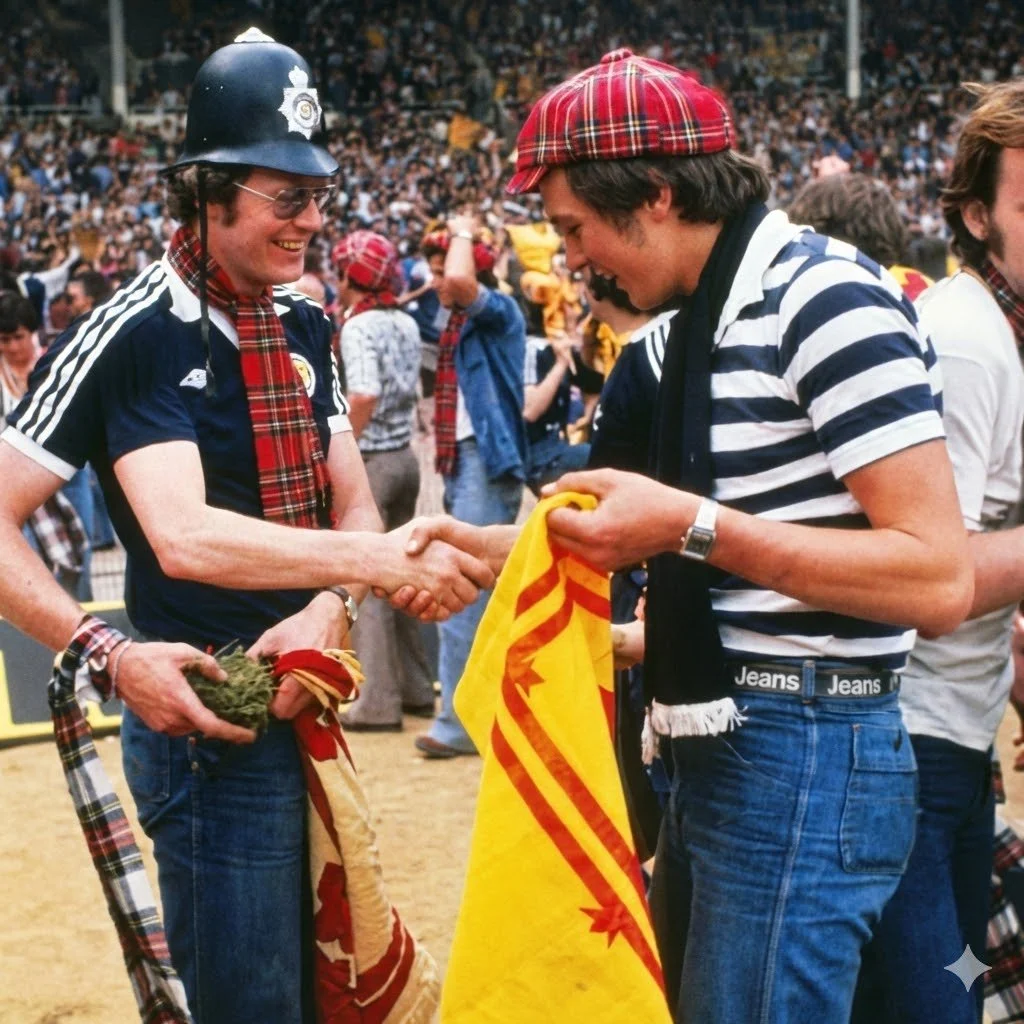
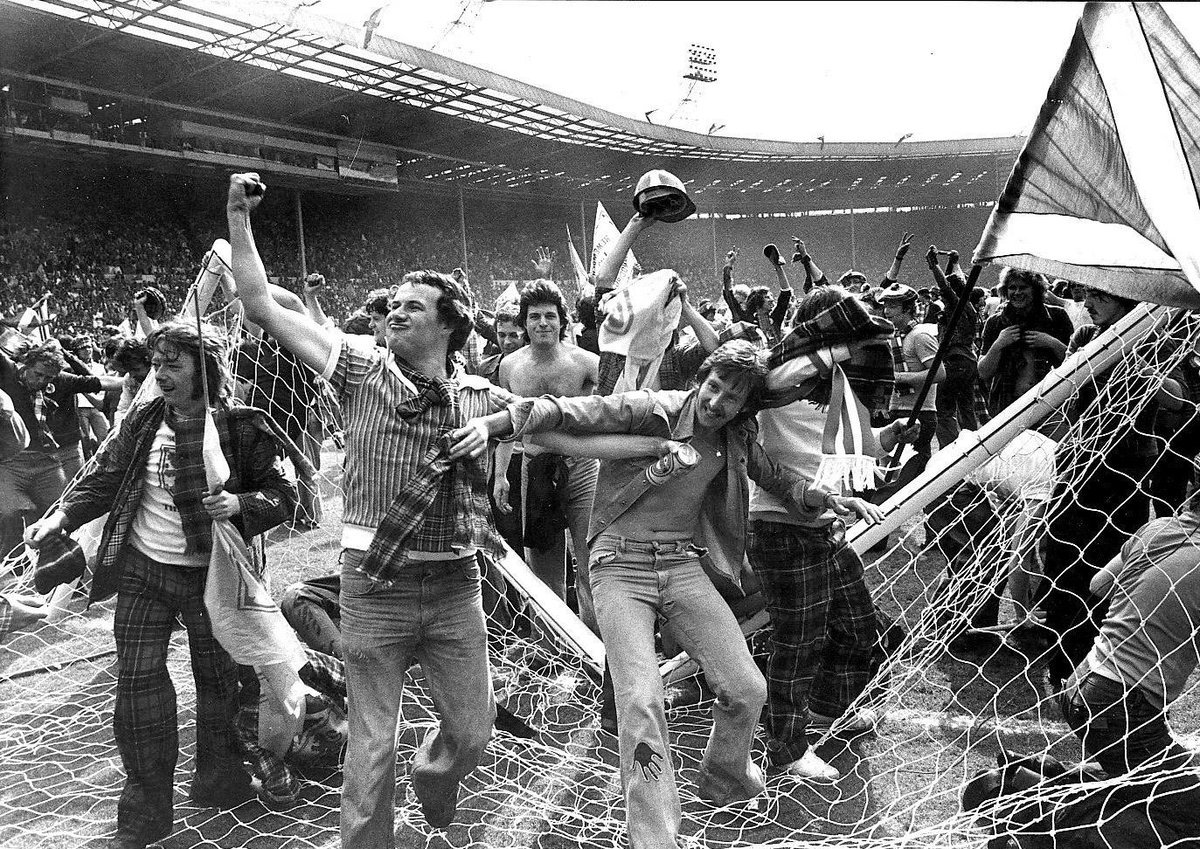
A Theatre of Concrete & metal The defining memory is not a seat, but a step. The terraces were vast, heaving oceans of the oddballs of local humanity. Whether it was the swaying masses in the Jungle at Parkheid, the packed enclosures of Tynecastle, or the chill factor of Pittodrie, there were no restrictions on your passion. You didn't sit politely; you stood shoulder-to-shoulder with your pals. When a goal went in, you didn't just clap—you were physically transported, swept thirty feet down the terracing in a chaotic, joyous surge known as "the sway." It was dangerous, visceral, and exhilarating. The noise wasn't piped in or managed by a DJ; it was a raw, primal roar that rose from the damp piss wet concrete and hung in the cold Scottish air like steam.
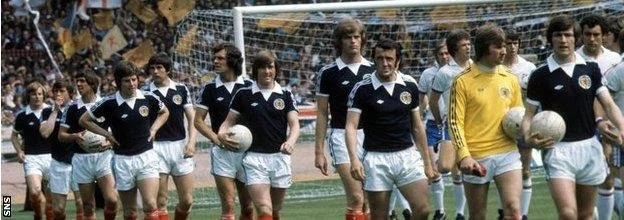
Fitba then was the heart of working-class life. The 3 O’clock kick-off was a sacred ritual for shipyard workers, miners, and tradesmen. It was affordable escapism. You could pay at the gate with loose change, smell the mixture of cigarette smoke, stale beer, and scorching Bovril, and feel a sense of ownership that is all but lost today. The players weren't distant millionaires with media training; they were guys with perms and missing teeth who had names like Willie McVie & Drew Jarvie looked like they lived on your street—because they often did. They played with a swagger that mirrored the hard lives of the men watching them.
Clubs weren’t " The Brand" There was a beautiful lack of polish to it all. We didn't have VAR checking for offside by a toenail, and we didn't have half-time light shows. We had freedom. The freedom to sing, to shout until our throats were raw, and to embrace the chaos. It was fun in a way that felt unscripted and unregulated. The stadiums were crumbling cathedrals of corrugated iron and floodlights cutting through the gloom, unbothered by health and safety audits or corporate branding.
The Soul of the Game Looking back, what we miss isn't just the football—which was often a muddy battle of attrition—but the connection. It was a time when the club was an extension of the town or the city, not a global franchise. We didn't have comfort, but we had character.
In the 70s and 80s, Scottish football was loud, unruly, and imperfect, but it was undeniably alive. It was the last era where the game truly felt like it was ours—wild, free, and glorious.